
Blue Lock Chapter 1
You are reading Blue Lock Manga Chapter 1 online on https://the-blue-lock.com/
Available Chapters





You are reading Blue Lock Manga Chapter 1 Online on https://the-blue-lock.com/
Available Chapters
Blue Lock Chapter 1 Summary
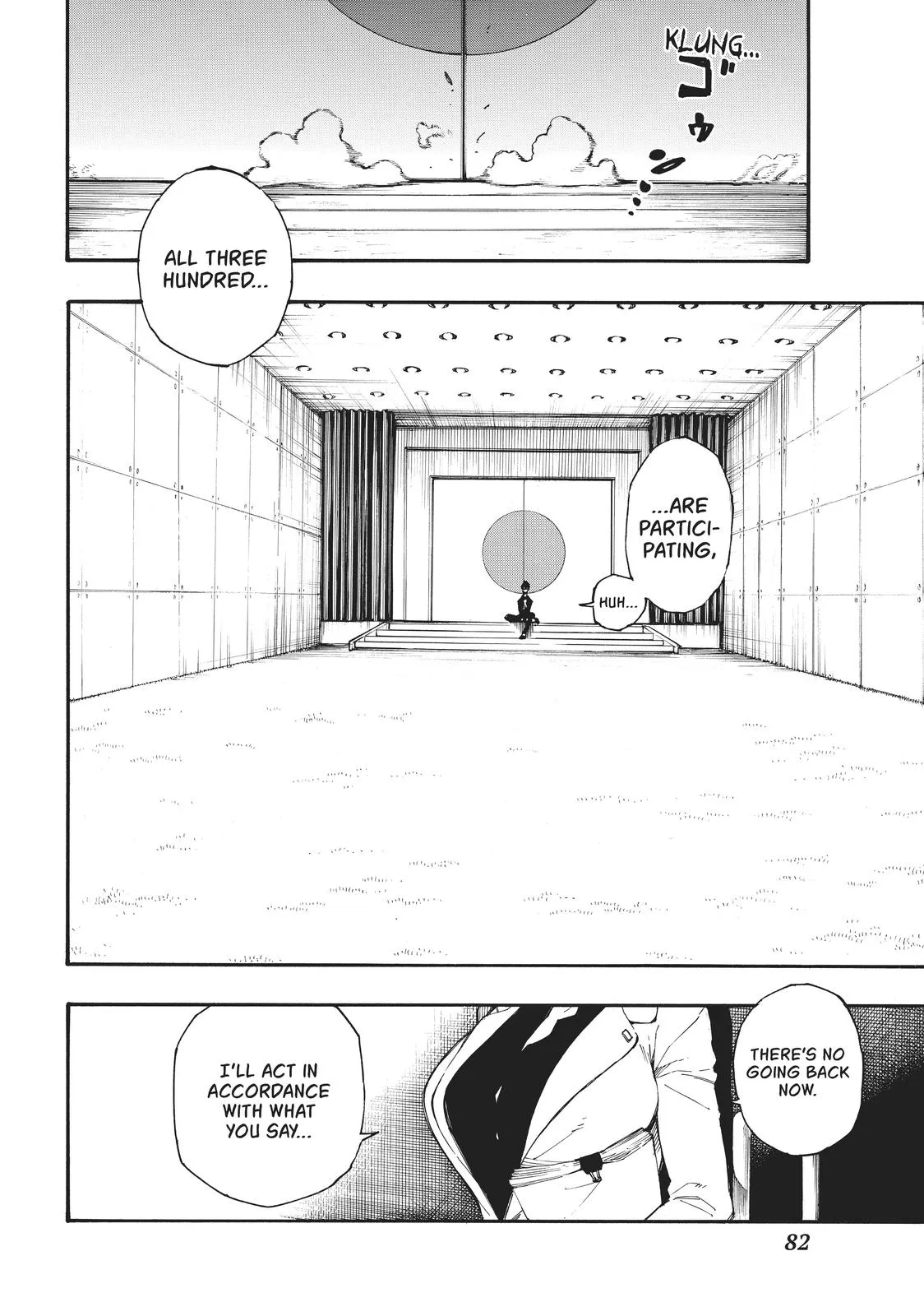
Yoichi Isagi plays in a high school prefectural final where his team faces elimination with seconds remaining. In a critical moment inside the penalty box, he chooses to pass to a teammate instead of taking the shot himself, resulting in a missed goal and tournament loss. Days later, Isagi receives a mysterious invitation to join the Blue Lock Project, a radical football program designed by Jinpachi Ego to create Japan’s ultimate striker. The chapter ends with Isagi entering the facility alongside 299 other forwards, all competing in an elimination system where only one can become the national team’s center forward. This opening establishes the psychological conflict between teamwork instincts and individual ambition that drives the entire series.
The Prefectural Final and Isagi’s Defining Decision
The high school soccer final builds tension as Isagi’s team trails with time running out. When a chaotic play creates space in the box, Isagi finds himself with a clear angle to shoot but notices a teammate in a slightly better position. His split-second choice to pass reflects years of conditioning to prioritize team success over personal glory, but the teammate’s shot goes wide.
The emotional aftermath hits harder than the loss itself. Isagi replays the moment obsessively, questioning whether his hesitation cost his team the championship. This missed goal opportunity becomes the catalyst for his character arc, exposing how competitive pressure reveals the gap between supporting players and true strikers who seize crucial moments without doubt.
The Invitation to Blue Lock
A letter from the Japan Football Union arrives at Isagi’s home several days after the tournament ends. The document announces the selection of 300 forwards from across Japan for an experimental training program with a singular purpose: producing one world-class striker. Yoichi Isagi qualifies based on performance data despite his team’s elimination.
The invitation creates shock and uncertainty as it outlines an unprecedented elimination structure. Players enter willingly but face permanent disqualification from representing Japan if they fail. This high-stakes premise forces Isagi to confront whether he has what it takes to compete at the highest level.
Introduction of Jinpachi Ego and the Blue Lock Project
Japan’s repeated World Cup elimination cycles prompted the football federation to try something radical rather than repeat failed strategies. They hire Jinpachi Ego, an eccentric coach who believes Japan lacks world-class strikers because the culture prioritizes harmony over individual dominance. His solution: isolate 300 forwards in a specialized facility and force them to develop absolute egoism.
The Blue Lock facility operates as a football elimination program where traditional team concepts don’t apply. Ego’s philosophy argues that the world’s best strikers share one trait – they’re fundamentally selfish when it matters most. His ego driven striker system strips away everything except pure scoring instinct, creating an environment where only the most ruthless competitor survives.
Key aspects of the national team rebuilding strategy:
- Complete isolation from outside football culture
- Elimination matches where losers permanently lose national team eligibility
- Individualized development focused on unique striker weapons
Psychological pressure designed to break team-first mentalities
Core Themes Introduced in Chapter 1
Ego versus teamwork forms the central philosophical conflict as Isagi’s instinct to pass directly contradicts what elite strikers do in decisive moments. The chapter questions whether selflessness actually limits potential greatness in competitive sports. Jinpachi Ego’s entire program exists to destroy this mentality and rebuild players around calculated self-interest.
Individual ambition emerges as the series’ driving force rather than collective achievement. The Blue Lock structure deliberately isolates players to measure pure individual capability without team support systems. Survival competition raises stakes beyond typical sports narratives by making failure permanent and career-ending. Psychological growth becomes more critical than physical training as players must fundamentally rewire how they think about scoring and success.
Key Characters Introduced
Yoichi Isagi enters as the protagonist whose average skill level makes him relatable but whose spatial awareness hints at untapped potential. His internal conflict between learned teamwork values and natural striker instinct creates the emotional core that carries the narrative forward. Isagi represents the everyman thrust into an extreme environment designed to expose true capability.
Jinpachi Ego appears as the controversial architect of the Blue Lock Project whose radical theories challenge Japanese football orthodoxy. His personality combines cold analytical thinking with theatrical presentation, making him both intimidating and compelling. Ego’s willingness to destroy 299 careers to create one perfect striker establishes him as someone who prioritizes results over conventional ethics.
Why Chapter 1 Is Crucial to the Series
This opening chapter sets the psychological tone that separates Blue Lock from traditional sports manga. Instead of inspirational speeches about friendship and perseverance, it opens with regret, self-doubt, and the acknowledgment that nice players finish last. The survival structure introduced here becomes the framework for every subsequent arc, ensuring constant pressure and meaningful stakes.
Isagi’s core conflict established in the prefectural final remains relevant 200+ chapters later as he continues balancing instinct against calculation. The series philosophy that Ego introduces doesn’t shift or soften, it intensifies as players either embrace egoism or get eliminated. Chapter 1 builds the foundation that allows the manga to explore striker psychology with depth rarely seen in sports storytelling.
Final Thoughts
Chapter 1 accomplishes what most sports manga spend entire volumes building by immediately establishing high stakes and psychological complexity. The decision to open with failure rather than triumph signals that Blue Lock operates differently from genre conventions. Isagi’s missed opportunity creates emotional investment while Ego’s introduction promises a narrative focused on mental transformation over physical training.
The foundation laid here supports the series’ exploration of what truly separates good players from generational talents. By questioning teamwork as an absolute virtue and presenting egoism as potentially necessary for greatness, the chapter redefines how sports manga can approach competition. This intensity and willingness to challenge comfortable narratives explain why Blue Lock resonates globally with readers seeking psychological depth alongside tactical action